"BPA free": what the label really means
"BPA free" appears on baby bottles, water bottles and boxes. The label reassures. Yet it says little about most plastic packaging, which never contained any.
By Tecmom editorial team · 2 min read
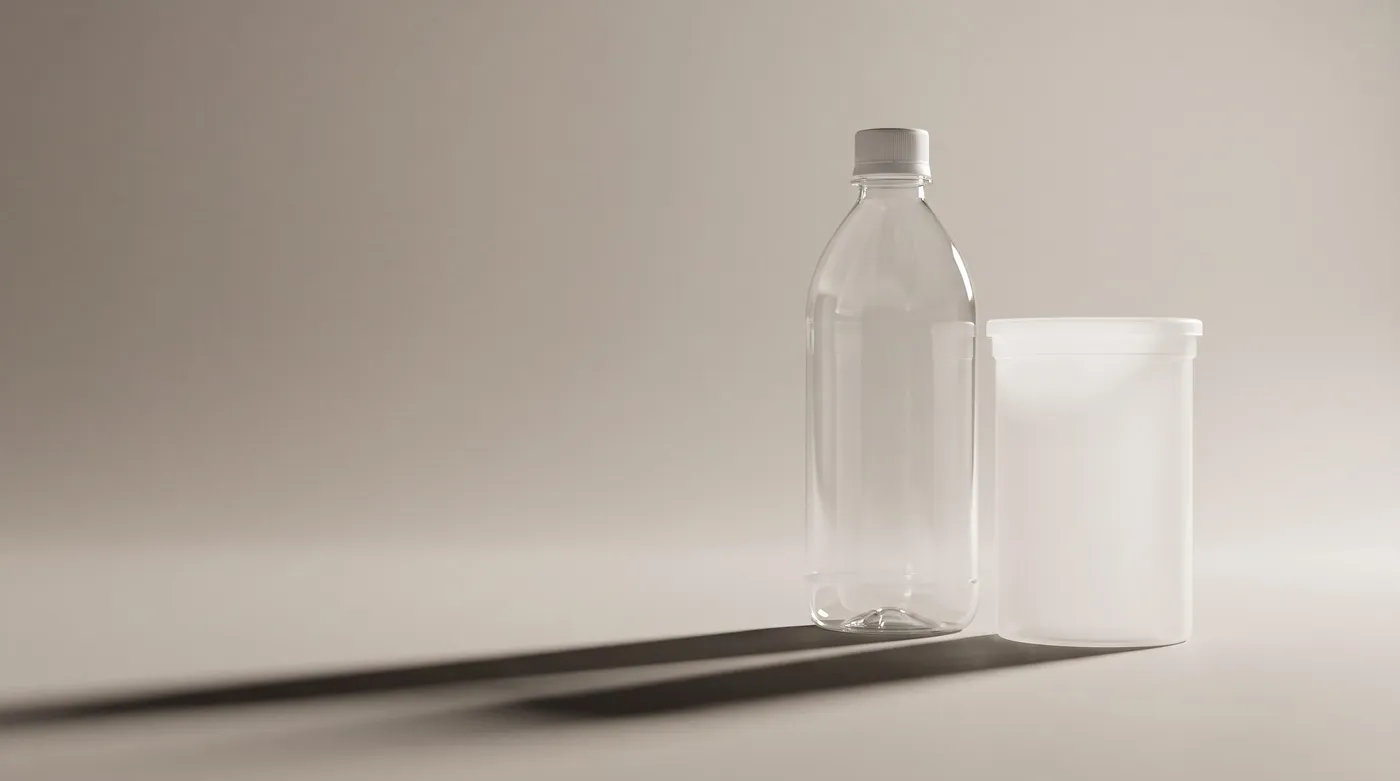
What is BPA?
Bisphenol A, or BPA, is a chemical used to make two families of materials: polycarbonate, a rigid, clear plastic, and epoxy resins, used among other things as the inner lacquer of some food cans. It is through these two uses that it can pass, in small amounts, into food.
It is not used to make PET, polyethylene or polypropylene. PET is made from terephthalic acid and ethylene glycol; polyethylene from ethylene; polypropylene from propylene. A bottle in one of these materials is therefore "BPA free" by nature, not by effort.
Why Europe banned it
In April 2023, the European Food Safety Authority re-evaluated BPA and set a tolerable daily intake of 0.2 nanograms per kilogram of body weight, about 20,000 times lower than its 2015 temporary value, because of possible effects on the immune system. Other agencies, including Germany's risk assessment institute, expressed diverging views.
The Commission followed EFSA's opinion: Regulation (EU) 2024/3190, in force since 20 January 2025, bans BPA and other hazardous bisphenols in food contact materials, with transition periods, the main one of which ended on 20 July 2026.
What the label is worth, and what it does not say
On a polycarbonate item or a lacquered can, "BPA free" signals a real change of material. On a PET, HDPE or PP bottle, it states the obvious.
Above all, it says nothing about the rest. Food packaging must meet the general food contact rules: list of authorised substances, migration limits, declaration of compliance. The absence of one substance does not replace that evidence. See what migration means.
For a buyer
The right question is not "is it BPA free?" but "what material is it, and on what basis is it declared suitable for contact with my product?". For a medicine, the answer is in the file: the material is described and studied there. See our advice page HDPE, PET, PP and food packaging.
"BPA free" reassures because we have learned to fear BPA. On most bottles, the claim is true from the start. What matters is the evidence that everything else complies.
Glossary
- Bisphenol A
- A substance used to make polycarbonate and epoxy resins.
- Polycarbonate
- A rigid, clear plastic made from bisphenol A.
- Tolerable daily intake
- The amount that can be ingested daily over a lifetime without appreciable risk.
- Migration
- Transfer of substances from the packaging into the food.